

It started with a single order. Three years later, a European repair shop sends us a WhatsApp message that reads: “Please add prices, no problem.” No negotiation. No hesitation. Just trust.
This is not a transaction. It is a partnership built on 156 consecutive weeks of consistent quality, reliable shipments, and transparent communication. In 2026, as the EU Right to Repair directive reshapes how European repair shops source components, the value of such a relationship has never been higher.
Key Takeaways
- A 2024 European Repair Network survey found that 72% of repair shops rank supplier transparency as the most important factor in choosing a parts partner (European Repair Network, 2024).
- Businesses sourcing directly from manufacturers report 20-40% lower landed costs compared to intermediary-based supply chains (Supply Chain Dive, 2025).
- Consistent batch quality — not the lowest single-order price — is what drives repeat B2B wholesale orders over multi-year partnerships.
“Please Add Prices, No Problem” — What Does a 3-Year Partnership Really Look Like?
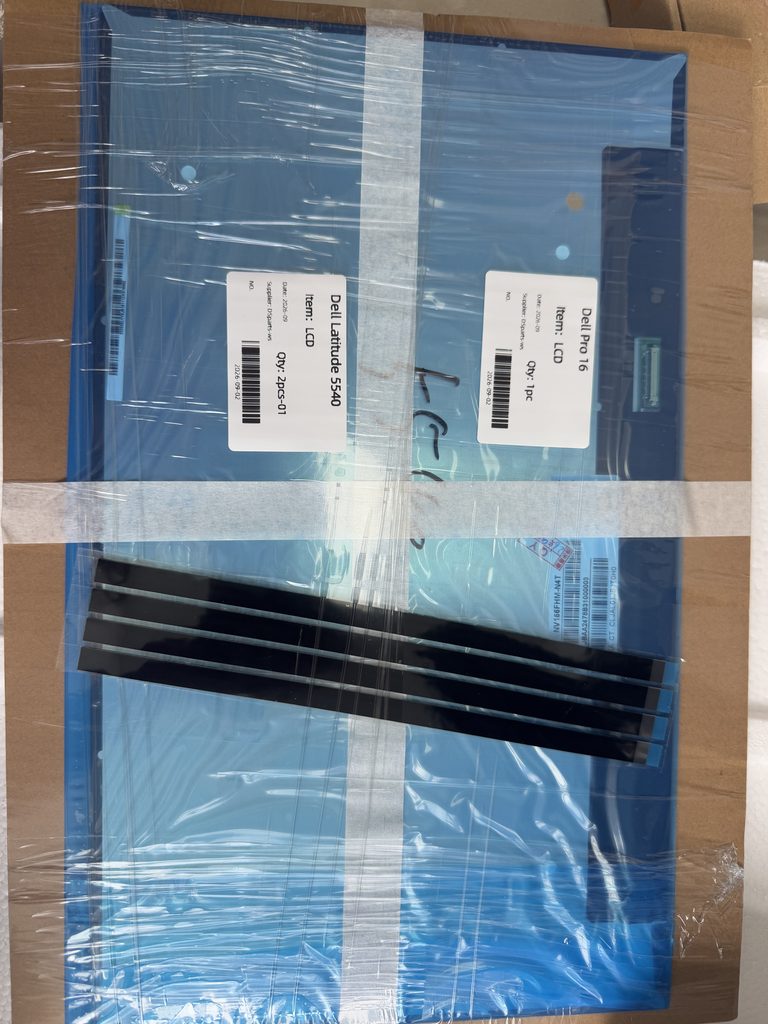
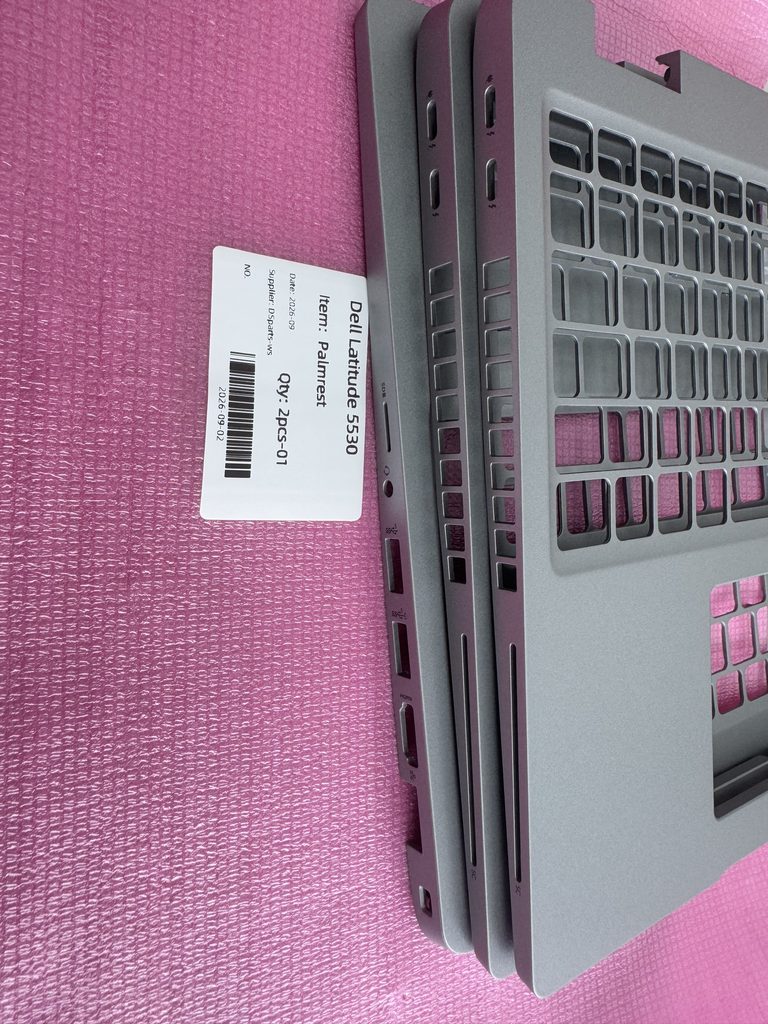
In 2026, a European repair shop manager opens WhatsApp and sends a message to his supplier at DSparts-WS. He is adding two extra Palmrest units to a weekly order that already includes LCD screens, keyboards, and other laptop repair components. He does not ask for a discount. He does not request photos. He simply says: “Please add prices, no problem.”
This exchange captures what a real B2B partnership looks like after three years of weekly orders. According to a 2024 survey by the European Repair Network, 72% of repair shops consider supplier transparency the most important factor when choosing a new parts partner (European Repair Network, 2024). After three years of consistent deliveries, that transparency has evolved into something more valuable: unconditional trust.
For the supplier, receiving a message like this is validation of every process that happens before the shipment leaves the warehouse — quality inspection, accurate packaging, on-time dispatch, and responsive communication. Trust in B2B wholesale is not built in a single transaction. It is accumulated, one order at a time, over years.
From our experience at DSparts-WS, customers who have been with us for more than 12 months rarely ask for product verification before placing an order. They know the batch quality will match the previous shipment. They know the certification documents will be in the package. They know that if something goes wrong, one message will resolve it. This is the trust that weekly orders build.
Why Are European Repair Shops Prioritising Supplier Transparency in 2026?
In 2026, the European repair industry is undergoing a structural shift. The EU Right to Repair directive, which took effect in 2024, has made compliance and traceability essential requirements for professional repair shops. A 2025 analysis by Supply Chain Dive found that businesses sourcing directly from manufacturers report 20-40% lower landed costs compared to intermediary-based supply chains (Supply Chain Dive, 2025).
This cost advantage is driving European repair shops to evaluate their supply chains more carefully. But price is only part of the equation. The same survey found that transparency — knowing exactly where parts come from, how they are manufactured, and what quality standards they meet — is the deciding factor for nearly three-quarters of repair shop owners.
For a repair shop serving customers in the UK, Netherlands, or Poland, a bad batch of LCD screens or keyboard assemblies can damage a reputation that took years to build. This is why shops that have found a reliable factory-direct supplier tend to stay. The cost of switching — in terms of quality risk, communication overhead, and shipment delays — far outweighs any marginal price difference.
From Sample Testing to Weekly Orders: The 3-Year Journey
Every long-term partnership in B2B wholesale starts the same way: with a sample. The European customer who now orders weekly began with a small test order — a few units to evaluate fitment, build quality, and packaging standards. The results were consistent. Subsequent orders grew larger. The testing phase gave way to regular procurement.
This pattern is backed by data. A 2025 study by the International Trade Centre found that 68% of B2B buyers who used sample testing before placing bulk orders reported higher satisfaction with product quality (International Trade Centre, 2025). For the supplier, sample testing is not a cost — it is an investment in relationship quality.
Over three years, the weekly order cycle has become routine. The customer sends a list of required parts — laptop LCDs, keyboard assemblies, palmrests, bottom cases — and the supplier confirms availability, prepares the invoice, and ships within 48 hours. There are no surprises because the quality standard is already established.
“The quality is consistent between orders, and shipping arrives on time.”
— Chelsea (PL), 5-year customer
“Working with a factory-direct supplier changed how we stock parts.”
— Olive (NL), 3-year customer
Beyond Price: What European Repair Shops Should Look for in a Long-Term Supplier
In 2026, the factors that determine a successful B2B parts partnership go far beyond unit price. European repair shops evaluating suppliers should consider five dimensions:
- Batch consistency — The most important factor. A supplier who delivers the same quality across every shipment is worth more than one who offers a lower price but varies between batches. Consistent quality means predictable repairs and fewer customer complaints.
- Certification transparency — CE, RoHS, and REACH certifications are not optional for European repair shops. A supplier who provides certification documents proactively demonstrates compliance readiness and regulatory awareness.
- Communication responsiveness — Time zone differences between Europe and China mean that a supplier who responds within 24 hours via WhatsApp or email is a supplier who treats the relationship as a partnership, not a transaction.
- Sample testing availability — Suppliers who offer free samples (with only shipping costs) demonstrate confidence in their product quality. A 2025 study confirmed that sample-tested buyers report 68% higher satisfaction with product quality.
- Real facility transparency — A supplier who can show their office, warehouse, and quality inspection process is a supplier who has nothing to hide. Real facilities, real staff, and real quality control processes are the foundation of trust.
How to Evaluate a Wholesale Parts Supplier for Long-Term Cooperation
For European repair shops considering a new supplier, the evaluation process should follow a clear sequence. Start with documentation — request certification files and facility photos. Then request samples of the 5-10 most commonly used components. Evaluate fitment, material quality, and packaging. If the samples meet expectations, place a small batch order to test the full procurement cycle — from order confirmation to shipment tracking to delivery.
If the first few orders are consistent, the relationship can scale. Weekly orders become possible when both sides understand each other’s expectations. The customer knows what quality to expect. The supplier knows the customer’s volume and preferences. Communication becomes efficient because context is already established.
This is exactly what happened with our 3-year European partner. The first order was cautious. The tenth order was confident. By the fiftieth order, the phrase “Please add prices, no problem” had become the norm.
Frequently Asked Questions
How long does it take to build a trusted B2B relationship with a factory-direct supplier?
Based on our experience with European repair shops, the first 3-6 months are typically the evaluation phase. After 6-12 months of consistent orders, the relationship transitions from testing to trust. Weekly ordering patterns usually establish after the first year of reliable deliveries.
What certifications should a European repair shop look for in wholesale parts?
CE (Conformité Européenne) certification confirms the product meets EU safety standards. RoHS compliance ensures the parts are free from restricted hazardous substances. REACH certification covers chemical safety across the supply chain. These three are the minimum standard for quality wholesale parts in the European market.
How much can a European repair shop save by sourcing directly from a factory?
A 2025 Supply Chain Dive analysis found that businesses sourcing directly from manufacturers report 20-40% lower landed costs compared to intermediary-based supply chains (Supply Chain Dive, 2025). The exact savings depend on order volume, shipping distance, and the number of intermediary layers being eliminated.
What is the minimum order quantity for wholesale repair parts from a factory-direct supplier?
MOQ varies by component type. For high-volume parts like LCD screens and joystick modules, MOQ typically starts at 10-20 pieces. For specialised components like HDMI IC chips or specific laptop keyboard models, MOQ may be higher. Many factory-direct suppliers offer flexible MOQ arrangements for first-time partners after sample approval.
Does sample testing really make a difference in supplier selection?
Yes. A 2025 International Trade Centre study found that 68% of B2B buyers who used sample testing before placing bulk orders reported higher satisfaction with product quality (International Trade Centre, 2025). Sample testing reveals fitment accuracy, material quality, and packaging standards that cannot be assessed from product photos alone.
Trust Is Built One Order at a Time
In B2B wholesale, trust is not a document you sign. It is a pattern you demonstrate. Every order that ships on time, every batch that matches the previous one, every question that gets answered within hours — these are the building blocks of a partnership that lasts years.
The message “Please add prices, no problem” is not about price. It is about the confidence that comes from three years of consistent experience. The customer knows the quality will be right. He knows the shipment will arrive. He knows the supplier has his back.
If you are a European repair shop looking for a parts supplier you can trust for the long term, start with a sample. Test the quality. Evaluate the communication. Then decide for yourself.
References
- European Repair Network — “Supplier Transparency Survey 2024”, retrieved 2026-09-04.
- Supply Chain Dive — “Direct Sourcing Trends in Electronics Manufacturing 2025”, https://www.supplychaindive.com/, retrieved 2026-09-04.
- International Trade Centre — “B2B Sourcing and Sample Testing Report 2025”, https://www.intracen.org/, retrieved 2026-09-04.