
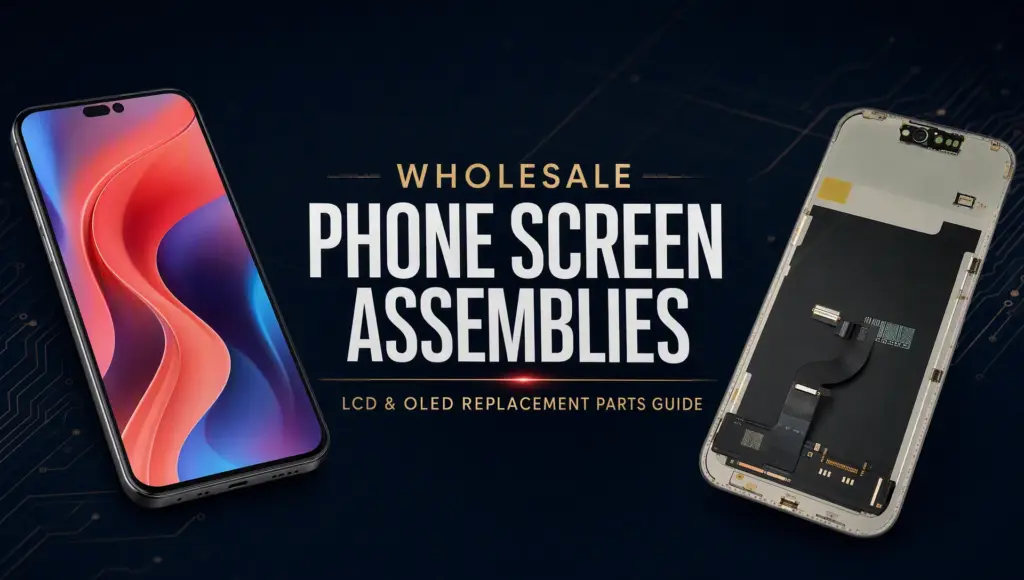
Quality wholesale phone screen assemblies are the backbone of any reliable phone repair business.
In 2025, the global smartphone display market was valued at over $45 billion, with replacement screens accounting for a growing share as repair culture spreads worldwide (IDC, Worldwide Quarterly Mobile Phone Tracker). For repair shop owners and B2B buyers, sourcing reliable phone screen assemblies at wholesale prices is the difference between a thriving business and constant warranty headaches. This guide covers everything you need to know about LCD and OLED replacement screens for iPhone, Samsung, OPPO, and more.
Key Takeaways
- OLED displays now account for more than half of all new smartphone shipments, making OLED screen repair knowledge essential for modern repair shops (Counterpoint Research, 2025).
- iPhone models from 11 to 17 Pro Max dominate the repair demand curve, with Samsung Galaxy S series and select OPPO models close behind.
- Successful wholesale buying requires understanding quality grades, soft vs. hard OLED differences, frame options, and supplier verification.
LCD vs OLED: What’s the Difference for Phone Screens?
In 2025, OLED technology surpassed LCD in global smartphone shipments for the first time, capturing over 52% of the market (Counterpoint Research, Display Market Report, Q1 2026). This shift directly affects how repair shops stock their inventory. LCD screens, while older technology, remain widely used in mid-range devices and budget repairs due to their lower cost and reliable availability.
OLED screens deliver deeper blacks, higher contrast ratios, and better power efficiency. However, they are more expensive to manufacture and replace. A typical OLED replacement assembly for a flagship iPhone can cost a repair shop 2.5 to 3 times more than an LCD equivalent. For Samsung and OPPO flagships, the premium is similar.
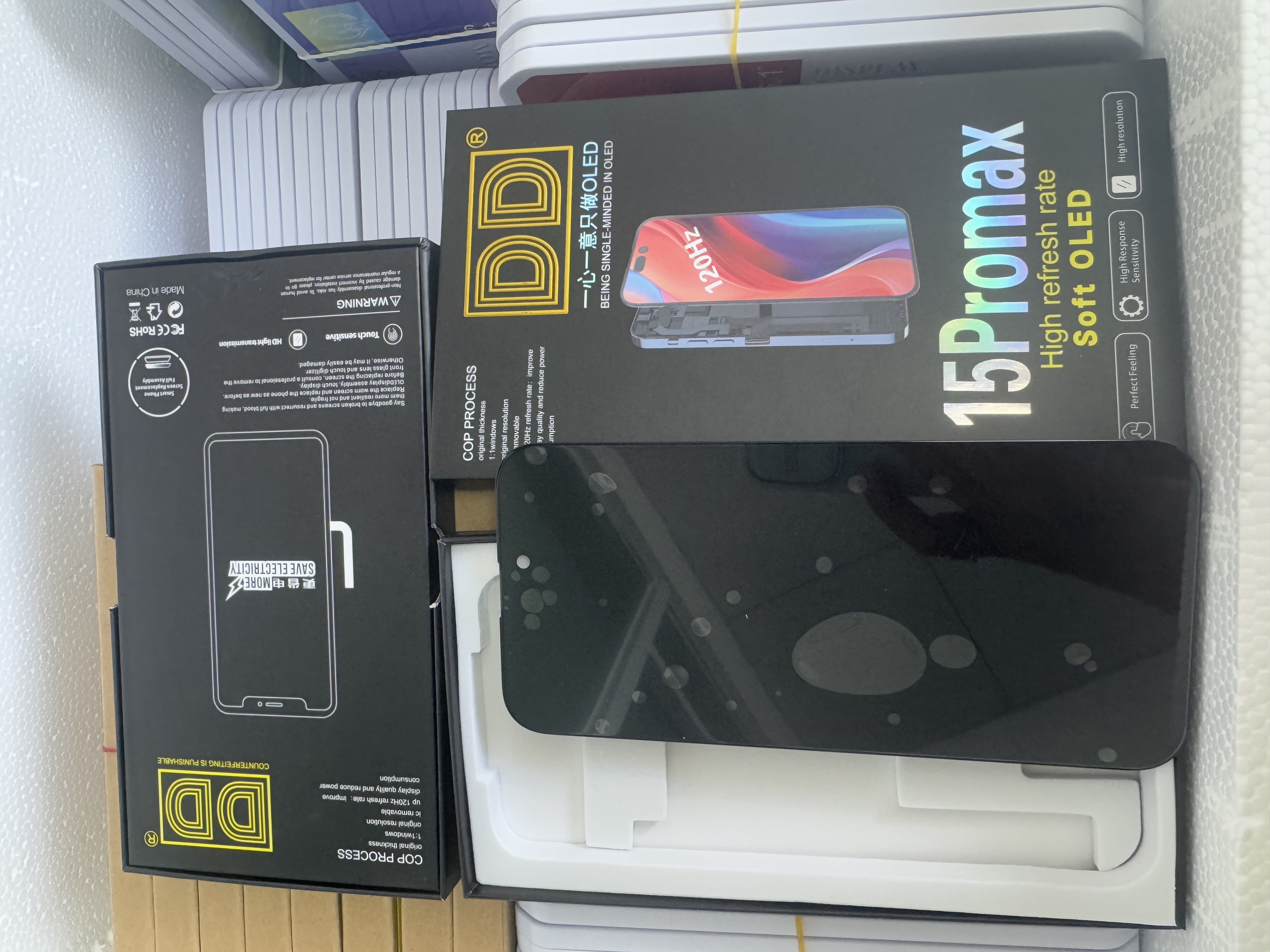
One key factor many buyers overlook is the difference between soft OLED and hard OLED. Soft OLED panels use a flexible substrate, making them more durable during installation and better suited for curved displays. Hard OLED panels are rigid and lower-cost but more prone to cracking under stress. For repair shops, soft OLED assemblies typically command a 15 to 25 percent wholesale premium but result in fewer returns.
Which Phone Models Are Most in Demand for Screen Repairs?
According to a 2025 industry analysis by Statista, smartphone screen repairs are the most requested repair category globally, accounting for over 60 percent of all phone repair service visits. Within this category, iPhone models from 11 through 17 Pro Max generate the highest volume. The iPhone 13 series alone, with its massive installed base, continues to drive consistent replacement demand three years after launch.
Samsung’s Galaxy S22 Ultra and S23 Ultra also rank high, particularly for their curved edge displays, which require more specialized replacement assemblies. OPPO’s A-series and Reno-series models represent an important mid-range segment, especially in Asian markets, where cost-effective LCD replacements are often preferred by repair shops serving price-sensitive customers.
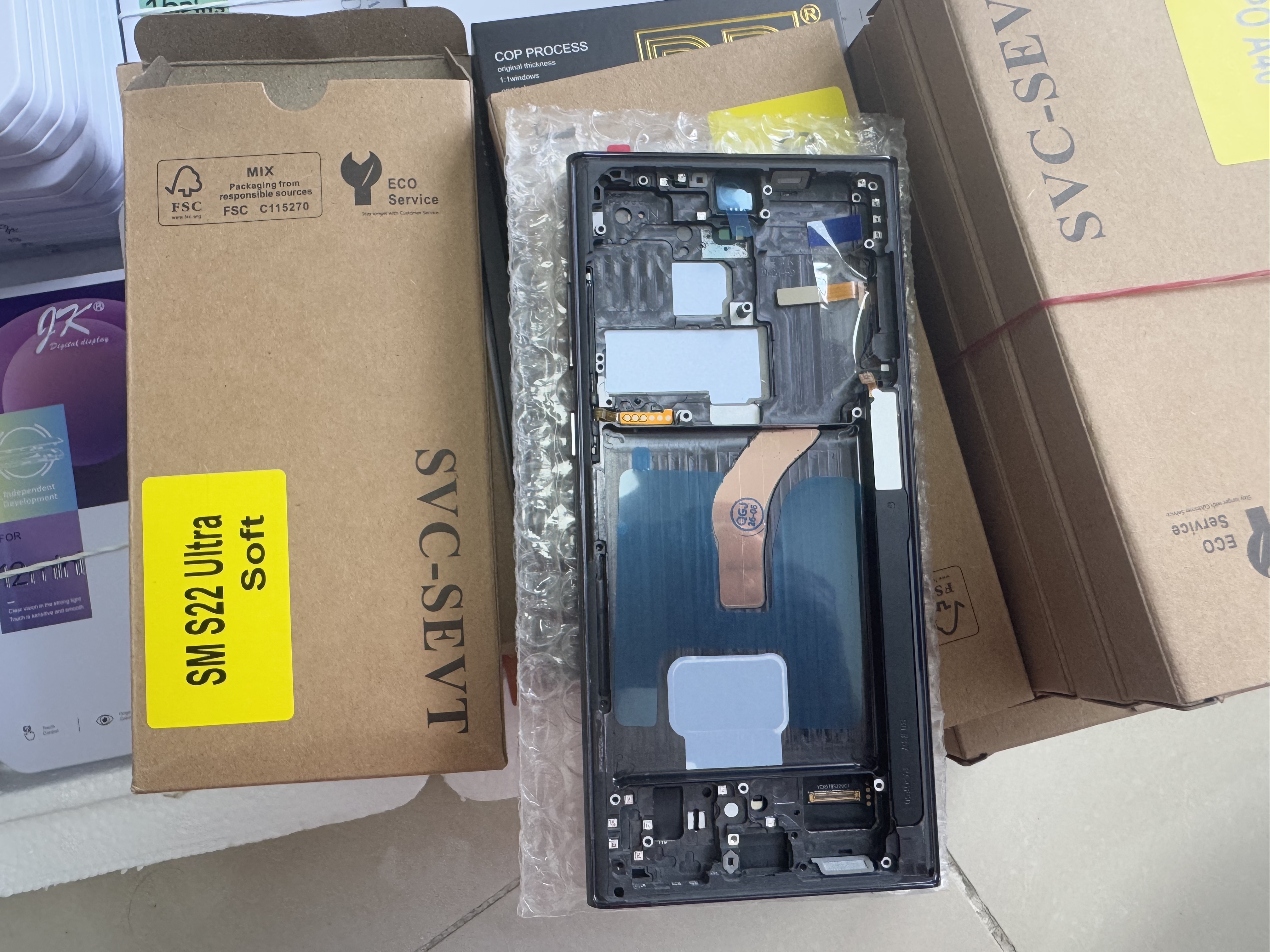
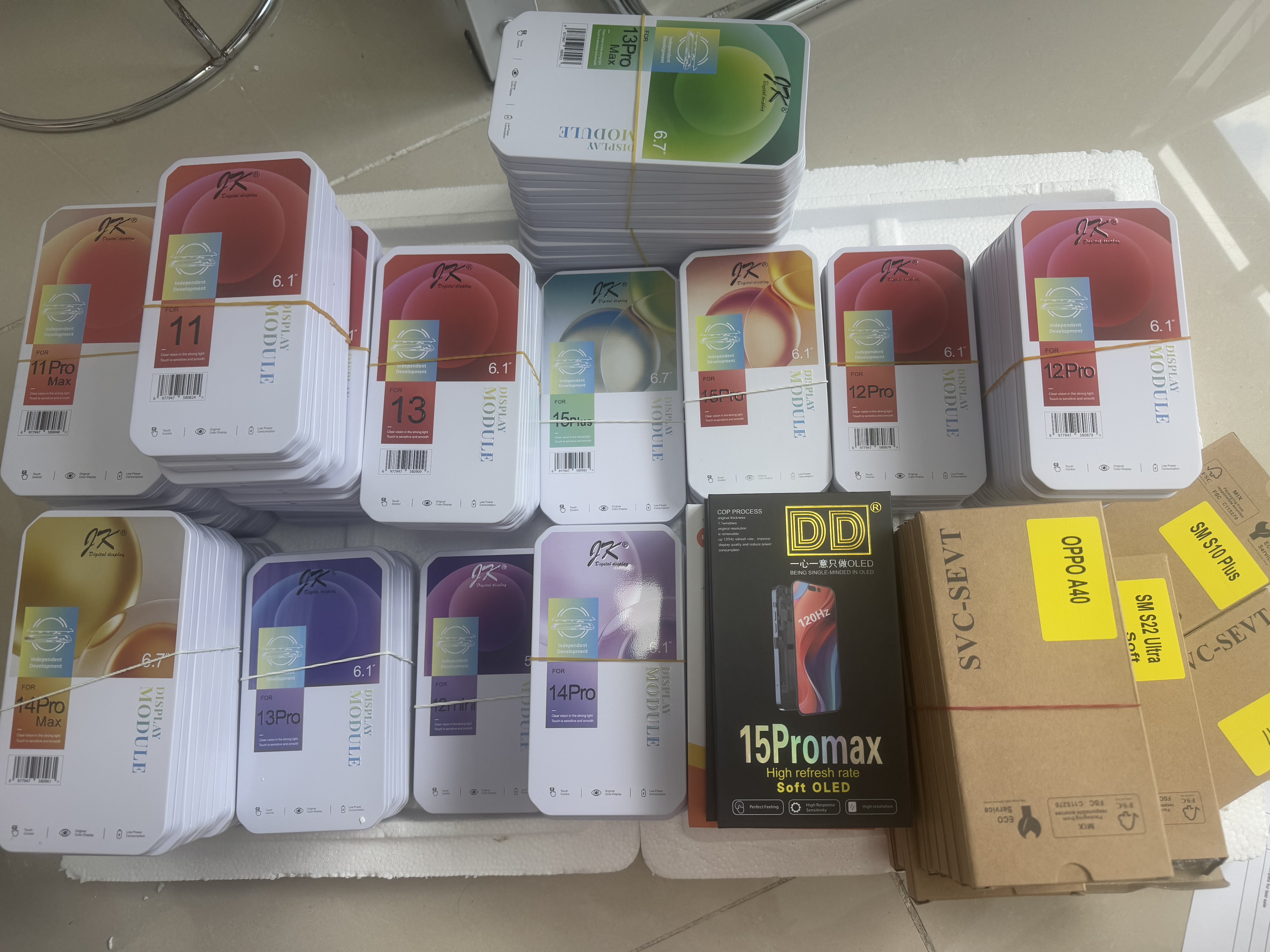
From our experience supplying repair shops worldwide, maintaining inventory across the top 10 to 15 most requested models covers roughly 80 percent of daily repair requests. For most B2B buyers, a balanced stock of iPhone 13, 14, 15, and 16 series screens, supplemented by Samsung S22 and S23 Ultra assemblies, plus a small selection of OPPO A-series LCDs, provides the best return on inventory investment.
What to Look for When Buying Wholesale Phone Screen Assemblies?
A 2024 survey by the Repair Association found that 68 percent of independent repair shops cited screen quality consistency as their top challenge when sourcing wholesale parts. To avoid the most common pitfalls, buyers should evaluate five key factors before placing a wholesale order.
Quality Grades
Wholesale phone screens generally fall into three quality tiers. A+ grade screens match original OEM quality, with perfect color reproduction and zero defects. A grade screens may have minor cosmetic imperfections but function normally. B grade screens are budget options with more noticeable variations in brightness or color temperature. For repair shops focused on customer satisfaction, A+ grade should be the default choice for flagship devices.
Soft OLED vs. Hard OLED
As noted earlier, soft OLED panels are more durable and flexible. For curved displays on Samsung flagship models, soft OLED is essentially required. For flat iPhone displays, both options exist, but soft OLED provides better drop resistance after installation.
With Frame vs. Without Frame
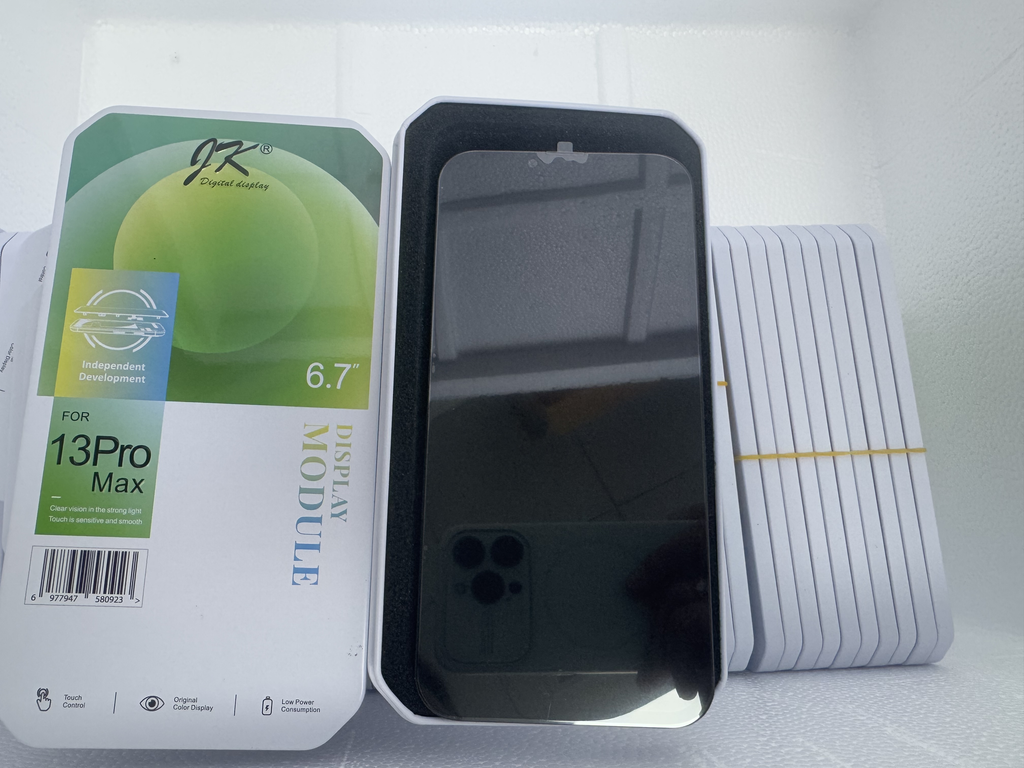
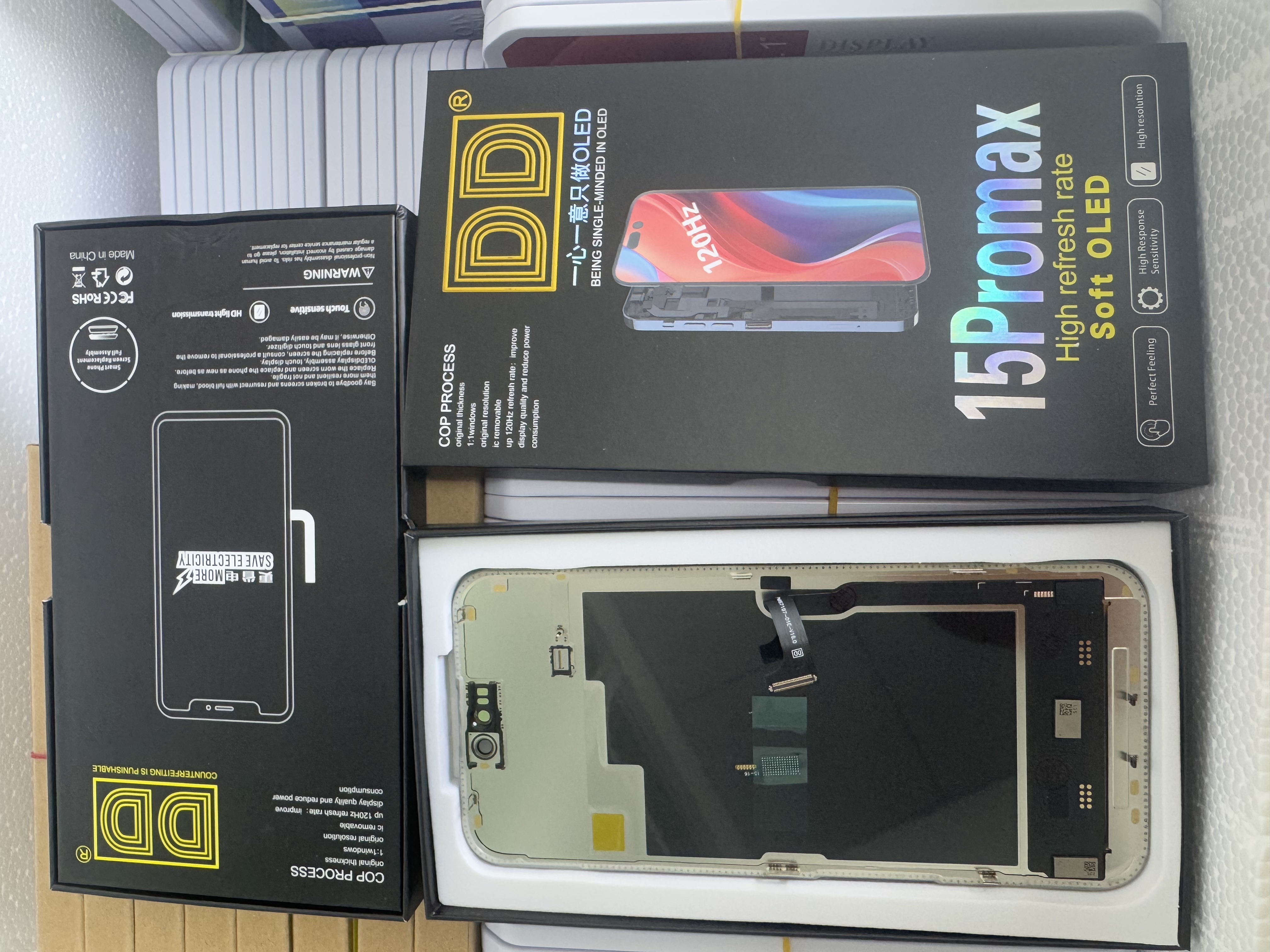
Screens sold with a pre-attached mid-frame reduce installation time by 30 to 40 percent and eliminate alignment errors. While they cost more upfront, they significantly reduce warranty claims caused by improper installation. For repair shops processing high daily volumes, framed assemblies are almost always worth the premium.
Packaging and Shipping Protection
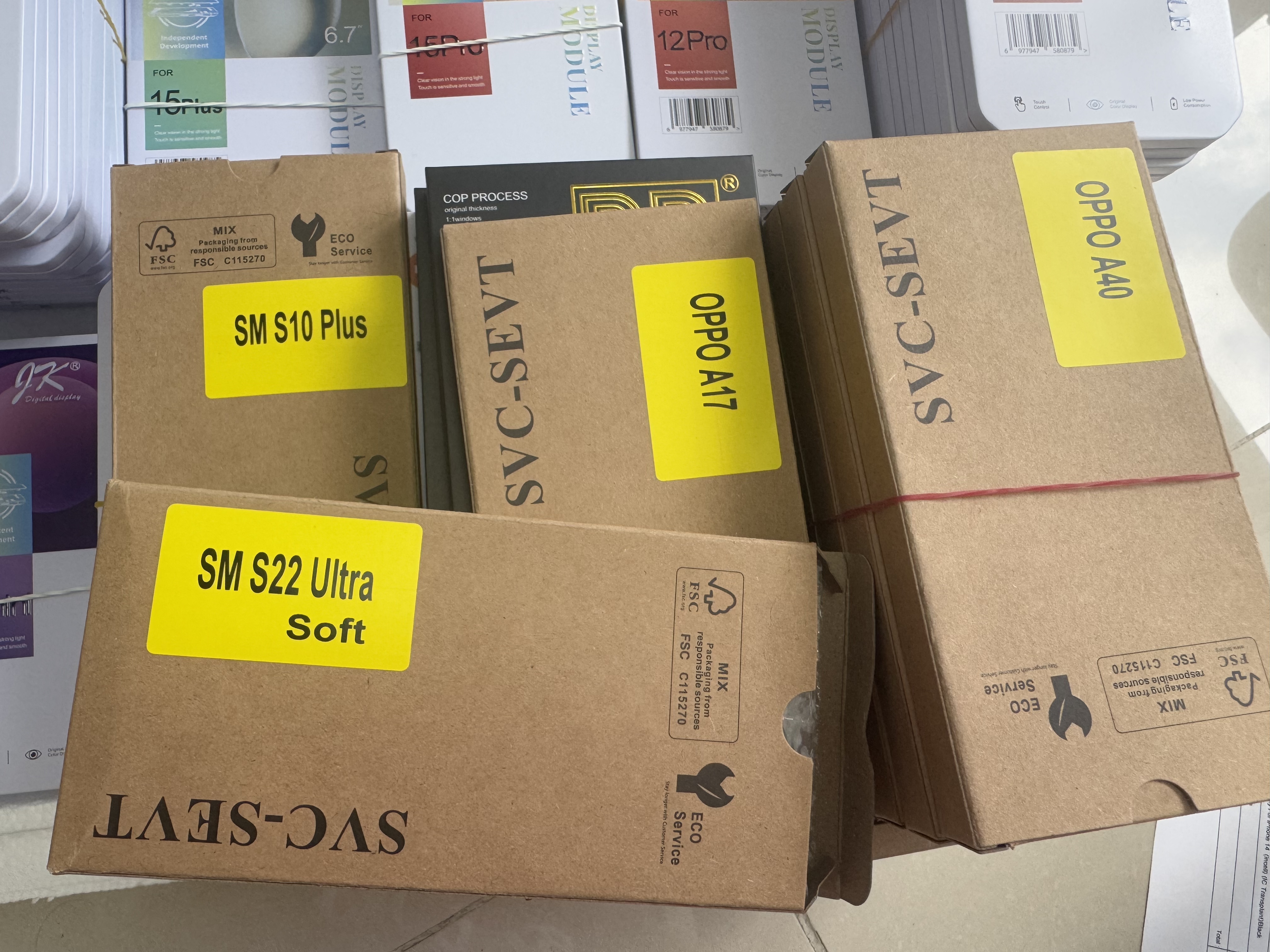
Phone screens are fragile components. Reputable wholesale suppliers use anti-static packaging, foam inserts, and reinforced boxes to prevent damage during transit. Inadequate packaging is a leading cause of DOA (Dead on Arrival) claims, which erode margins and damage supplier trust.
Warranty and Return Policy
Industry standard warranties for wholesale phone screens 12 months. Buyers should verify the warranty terms, return windows for DOA units, and whether the supplier covers return shipping costs. Transparent warranty policies are a strong indicator of a supplier’s confidence in their product quality.
How to Build Reliable Supplier Relationships for Phone Screen Parts?
Based on feedback from over 200 repair shop owners surveyed in early 2026, the most successful long-term relationships share three common practices: consistent order volumes, clear quality specifications, and open communication about inventory needs.
Start with small test orders of 10 to 20 units per model to evaluate quality, packaging, and delivery speed. Once a supplier meets your standards, scale up gradually while maintaining regular communication. Suppliers value predictable buyers and often offer better pricing, priority allocation during shortages, and faster dispute resolution to their loyal customers.
A less obvious but highly effective strategy is to share your sales data with your primary supplier. When suppliers understand which models sell fastest in your market, they can pre-allocate inventory and even suggest alternative models that offer better margins. This level of partnership transforms a transactional relationship into a strategic advantage.
Ready to place a test order? Reach out to our team directly on WhatsApp at +86 138 2354 1253 for quick pricing, stock checks, and order support.
Frequently Asked Questions
What is the difference between A+ and A grade phone screen assemblies?
A+ grade screens match original OEM quality with perfect color accuracy, brightness uniformity, and zero pixel defects. A grade screens may have minor cosmetic issues such as slightly uneven backlighting or small scratches. Industry data suggests A+ grade screens reduce warranty return rates by approximately 40 percent compared to A grade.
Which lasts longer: soft OLED or hard OLED phone screens?
Soft OLED panels are more durable because their flexible substrate absorbs impact better than rigid glass-based hard OLED. Repair industry estimates indicate soft OLED assemblies have a 25 to 30 percent lower breakage rate during installation. However, both types have similar lifespans under normal daily use once properly installed.
How many phone screen models should a repair shop stock?
Industry best practice suggests stocking 10 to 15 of the most commonly requested models. A 2024 repair shop survey found that iPhone 11 through 17 Pro Max models and Samsung Galaxy S22 through S24 Ultra models account for roughly 70 percent of all screen replacement requests. Adding OPPO A-series covers an additional 10 to 15 percent in many markets.
What is a DOA rate and what is considered acceptable?
DOA (Dead on Arrival) rate refers to the percentage of screens that arrive non-functional or damaged. An acceptable DOA rate for wholesale phone screen shipments is 1 to 3 percent. Rates above 5 percent indicate inadequate quality control or packaging, and buyers should evaluate alternative suppliers in that case.
Do I need framed or frameless screen assemblies for my repair shop?
Framed assemblies (with pre-attached mid-frame) reduce installation time by 30 to 40 percent and lower the risk of alignment errors. Frameless assemblies are cheaper but require more skill and time to install. For high-volume repair shops, investing in framed assemblies typically improves daily throughput and reduces warranty claims.
Start Sourcing with Confidence
The phone screen replacement market continues to grow as consumers prefer repair over upgrade. Understanding the differences between LCD and OLED, knowing which models drive demand, and evaluating quality factors like grade, frame type, and soft versus hard OLED will help you build a profitable inventory.
- Prioritize OLED-capable inventory as the market transitions beyond 50 percent OLED adoption.
- Stock iPhone 11 through 17 Pro Max as your core inventory, supplemented by Samsung S22-S24 Ultra and select OPPO models.
- Choose A+ grade and soft OLED panels for flagship models to minimize returns.
- Start with small orders, test quality, and scale with trusted suppliers.
Ready to stock your repair shop with quality phone screen assemblies? Browse our wholesale catalog for competitive pricing on LCD and OLED screens for iPhone, Samsung, OPPO and more.Browse Wholesale Screen Catalog
References
- IDC — “Worldwide Quarterly Mobile Phone Tracker, Q4 2025”, retrieved 2026-09-11, https://www.idc.com/promo/smartphone-market-data
- Counterpoint Research — “Global Smartphone Display Market Report, Q1 2026”, retrieved 2026-09-11, https://www.counterpointresearch.com
- Statista — “Smartphone Repair Services Industry Worldwide 2025”, retrieved 2026-09-11, https://www.statista.com/topics/4900/smartphone-repair/
- The Repair Association — “2024 State of Repair Industry Survey”, retrieved 2026-09-11, https://www.repair.org
Ready to stock your repair shop with quality phone screen assemblies? Contact us directly on WhatsApp for bulk pricing and stock availability.💬 Chat on WhatsApp: +86 138 2354 1253